Medina Azahara, also written Madinat al-Zahra, is the ruined palace-city of the caliphs of Córdoba, a few kilometres west of the city and easy to visit from Córdoba. It was a seat of power for only a few decades, which is part of what makes it so fascinating: a capital built from nothing, then abandoned, and rediscovered centuries later.
What is Medina Azahara?
Medina Azahara was built in the 10th century by Abd ar-Rahman III to serve as the capital of the Caliphate of Córdoba. He had declared himself caliph in 929, and the new palace-city was a statement of power against rival caliphates. Construction began around 936 to 940 and continued under his successor, Al-Hakam II.
The city was the centre of government for about forty years before the court moved to a rival palace-city built by Al-Mansur. Between 1010 and 1013 it was sacked during a civil war and then abandoned, and much of its material was reused elsewhere.
Rediscovery and UNESCO status
The ruins were excavated starting in 1911. According to Wikipedia, only about 10 of the site’s 112 hectares have been excavated, so much of the city is still underground. On 1 July 2018 the site was inscribed on the UNESCO World Heritage List as the Caliphate City of Medina Azahara. A dedicated archaeological museum opened in 2009.
What to see
The city was laid out on three terraces that reflected the social order: the palace and caliph’s residence at the top, the administration in the middle and the town below.
The Salón Rico (the Rich Hall) is the best-known building, a reception hall decorated with carved plant motifs, dated to 953 to 957. The Upper Basilical Hall, the Dar al-Jund, could hold up to 3,000 people. You can also see the remains of the gardens, laid out in four parts with water features, and the congregational mosque, which had a minaret that is thought to be the earliest in al-Andalus.
Getting there and entry
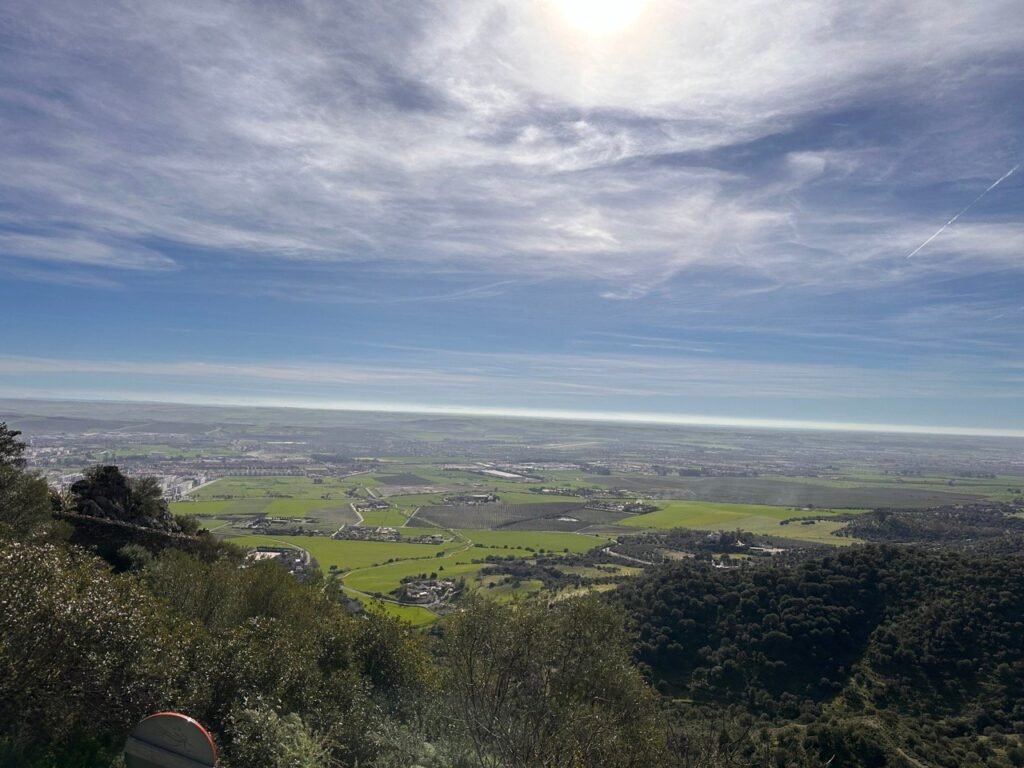
The site is about 6.4 km west of Córdoba, in the foothills of the Sierra Morena. According to the Junta de Andalucía listing, visitors reach the ruins by shuttle bus from the museum reception and visitor centre at Carretera Palma del Río, km 5.5. The buses run continuously during opening hours. Check the official site for the current ways to reach the visitor centre from the city.
Entry price: the official listing, checked on 1 October 2026, says entry is free for accredited citizens of the European Union and €1.50 for other visitors (price on 1 October 2026). The listing is marked as completed, so confirm the current price before you go.
Groups of 10 or more must book in advance. Smaller groups do not need to reserve and can collect tickets at the museum reception.
Opening hours
Hours change with the season, and the site is closed on Mondays except on the eve of a holiday. The official listing, checked on 1 October 2026, gave the following: 1 October to 31 December, Tuesday to Saturday from 09:00 to 18:00, and Sundays and holidays from 09:00 to 15:00. From 24 June to 30 September, it listed 09:00 to 15:00 from Tuesday to Sunday, plus night visits to the archaeological area from Tuesday to Saturday.
Always confirm the current schedule on the official Madinat al-Zahra website before you plan your day.
Tips for visiting
Allow a half day. Visit early in summer: the site has little shade and Córdoba is among the hottest cities in Spain (see our weather guide). Wear a hat, comfortable shoes and bring water.
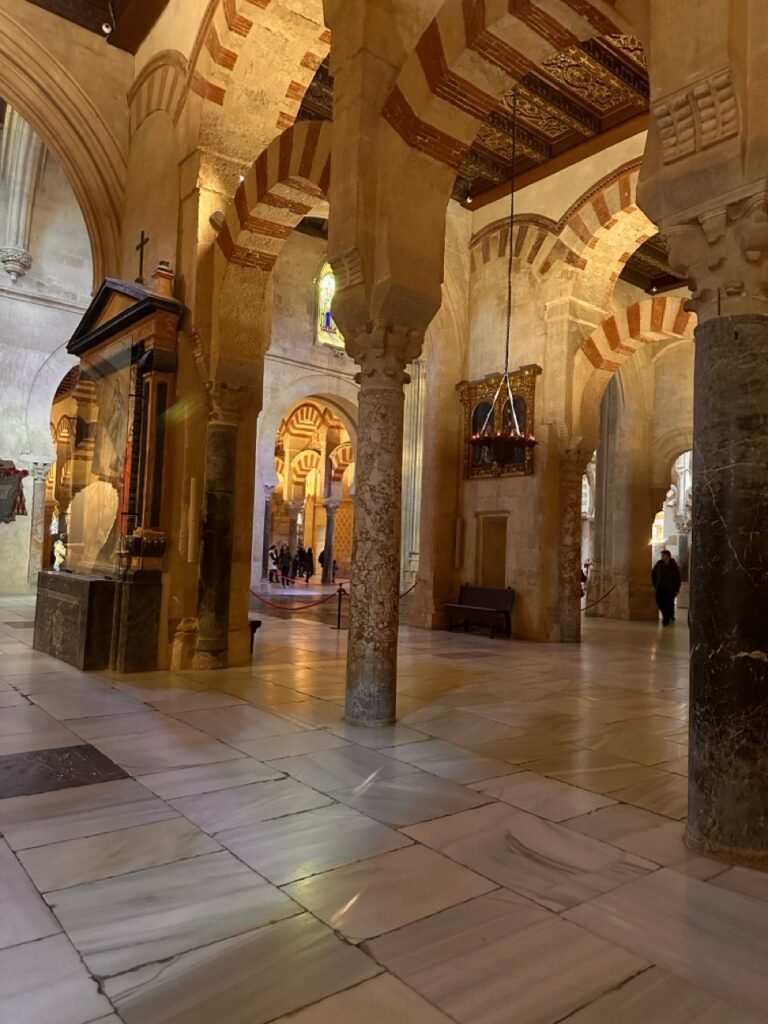
Combine Medina Azahara with the Mezquita in one trip to see two chapters of the same Umayyad story: the Mezquita was the caliphate’s great mosque, and Medina Azahara was its palace-city.
Keep exploring
The mosque of the same dynasty is the Mezquita: read its history and architecture.
Sources
Sources: Junta de Andalucía: Madinat al-Zahra listing; Wikipedia: Madinat al-Zahra. Information checked on 1 October 2026.
Keep exploring
Related guides